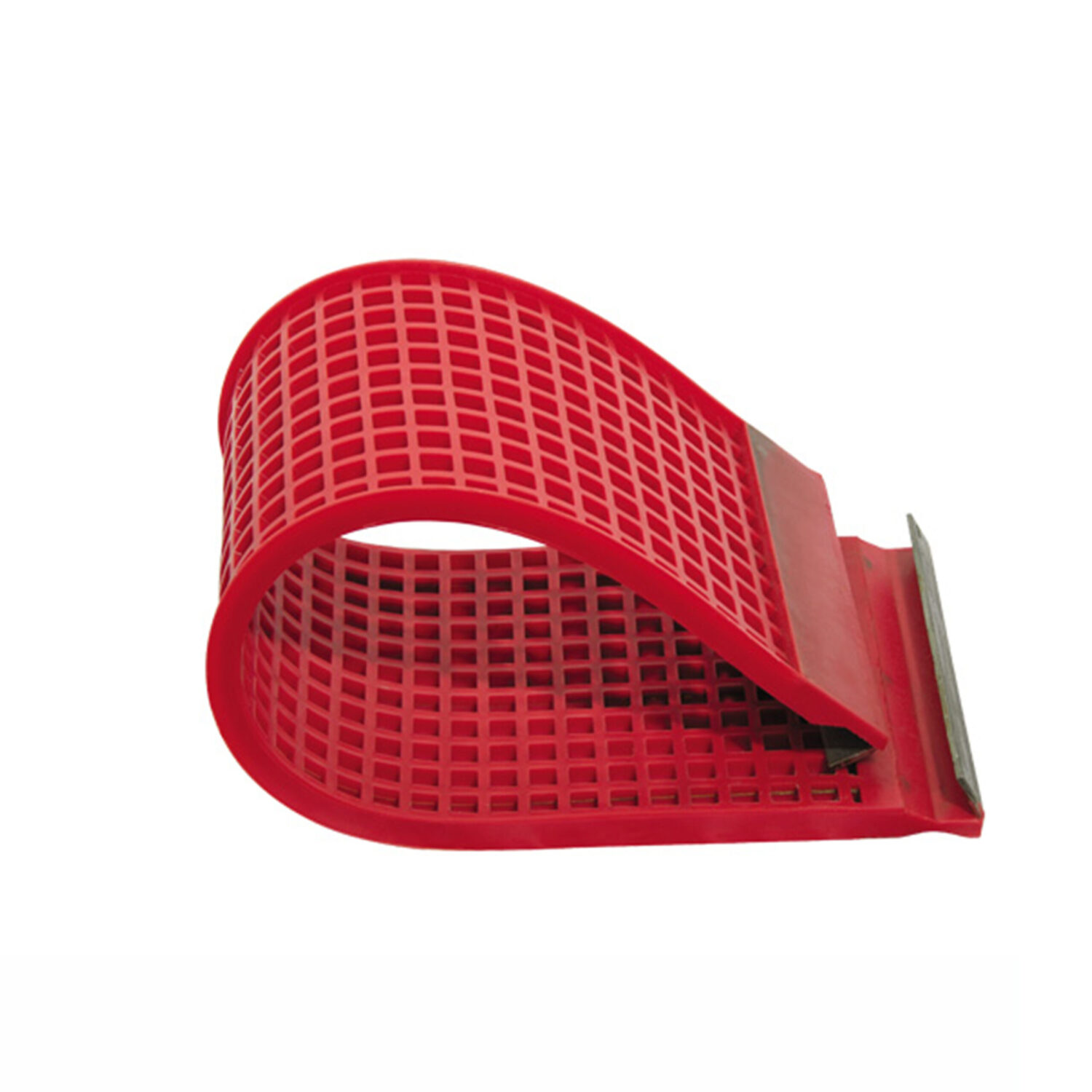
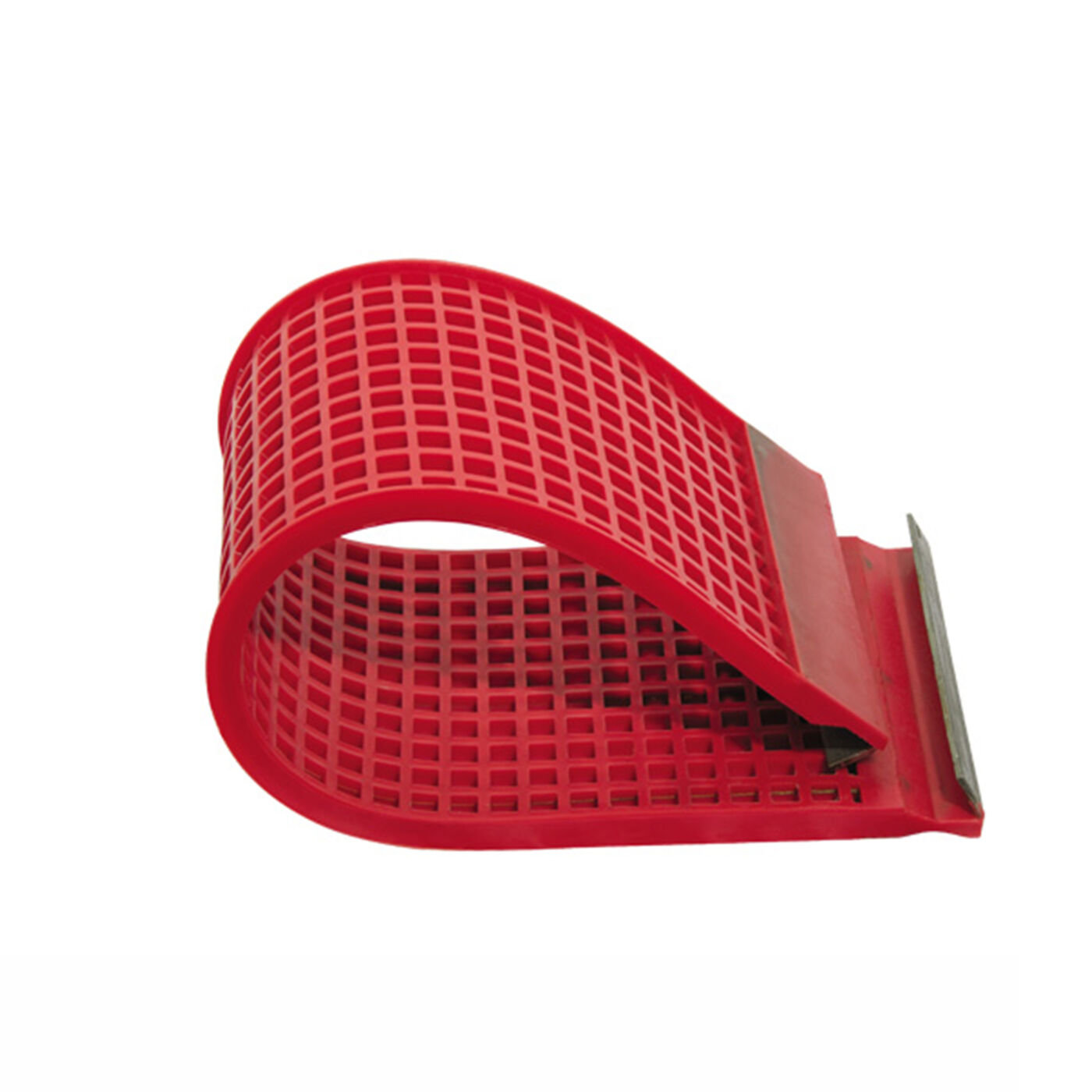
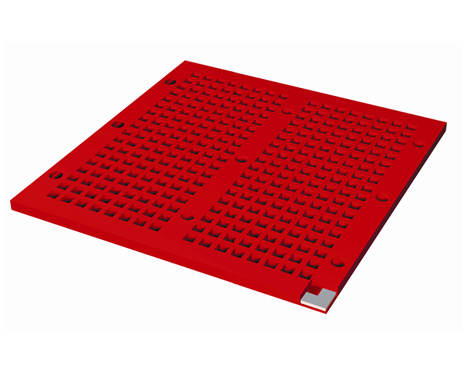
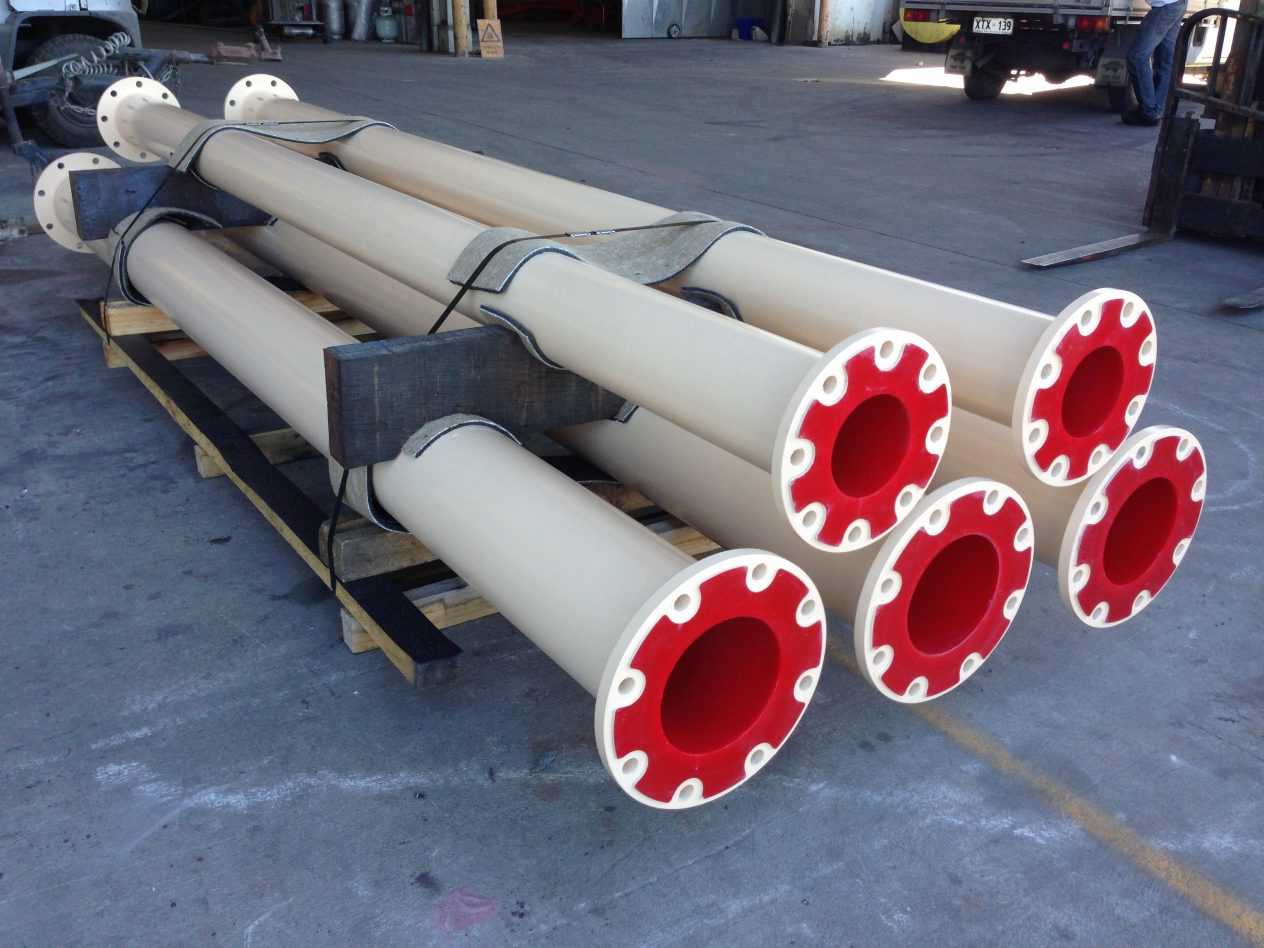
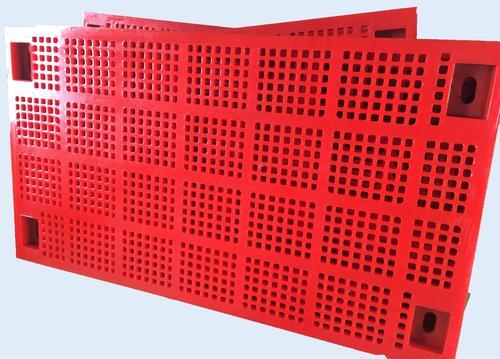
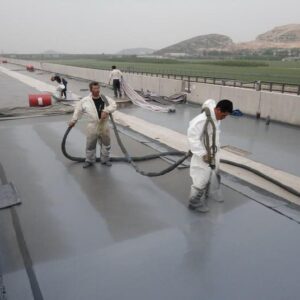
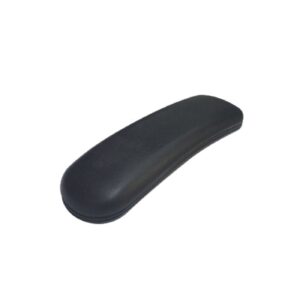
High-performance cast polyurethane elastomer systems for mining and mineral-processing wear parts — vibrating screen panels, hydrocyclone and chute liners, slurry-pump components and dewatering screens. Engineered for outstanding abrasion resistance (3–8× longer life than rubber), impact tolerance and tunable hardness, with hydrolysis and chemical resistance for wet processing. Hardness and chemistry are tuned to your duty via prepolymer + chain-extender formulation.
3–8×
Longer life vs rubber
20–40
Abrasion loss mm³
A60–95
Hardness Shore
1000+
Impact cycles drop-tested
−40~120
Operating temp °C
Key Features
Outstanding abrasion resistance 20–40 mm³ wear loss (DIN 53516) — 3–8× longer service life than rubber.
High impact tolerance Withstands repeated material drop — drop-test verified 1,000+ cycles.
Tunable hardness Shore A 60–95 to balance cushioning against cut-through resistance.
Hydrolysis resistance Polyether systems for wet screening, dewatering and slurry handling.
Chemical resistance Resists mild acids and alkalis used in mineral flotation circuits.
Customizable formulation Hardness, open area and chemistry tuned to your cut size and duty. OEM/ODM supported.
Also used for: hydrocyclone liners, slurry-pump impeller covers & suction liners, transfer-chute impact liners and AG/SAG mill-liner inserts.
Technical Specifications
Property
Range
Test Method
Hardness
Shore A 60 – Shore D 75
ASTM D2240
Tensile strength
20–55 MPa
ASTM D412
Elongation at break
250–650%
ASTM D412
Abrasion resistance
20–80 mm³ (mining grade 20–40)
DIN 53516
Rebound resilience
35–55%
ASTM D2632
Tear strength
60–120 kN/m
ASTM D624
Compression set
< 25% (70 °C / 22h)
ASTM D395
Operating temperature
−40 °C to +120 °C
ISO 9142
Parameters customizable by formulation design and application; typical values for reference, not a binding specification.
Casting Processes
Open-Mold Casting For large screen panels and chute-liner plates.
Centrifugal Casting Uniform-density covers for pipe and cyclone liners.
Vacuum Casting Void-free parts for high-impact wear components.
Automated Casting Compatible with PU casting machines and automated dispensing.
Packaging, Storage & Handling
Packaging Prepolymer and curative supplied in iron drums; palletised for export. Bulk on request.
Storage Store sealed in a cool, dry, ventilated area away from moisture. Shelf-life details on request.
Handling & Safety Avoid eye/skin contact; wear safety glasses. Wash skin with soap and water; flush eyes with water and seek medical attention. Full MSDS on request.
One-Stop PU Elastomer Solution
Beyond raw materials, SPC provides matched equipment and tooling — a complete production-line partner, not just a chemical supplier:
10+ years in PU raw materials Specialised PU elastomer & polyol manufacturer serving industry worldwide.
Custom formulation Hardness, open area and chemistry tuned to your mineral duty.
Equipment integration Casting machines, mixing systems and moulds as a complete solution.
Global export & fast reply Export to EU, Latin America, Asia and beyond — we respond within 24 hours.
From Sample to Bulk Order
1. Share your duty Tell us the application, cut size, slurry and impact conditions — we recommend a formula.
2. Sample & validate Trial-cast parts; we fine-tune hardness and wear performance for your site.
3. Scale to bulk Confirm the formula and order in bulk with flexible MOQ and tiered lead times.
Frequently Asked Questions
How much longer do PU screens last vs rubber or steel?Typically 3–8× the service life of rubber, thanks to a low abrasion loss of 20–40 mm³ (DIN 53516) and high tear strength.
What hardness should I choose for screens vs liners?Softer grades (Shore A 60–75) cushion impact and resist blinding on screens; harder grades (Shore A 85–95) maximise cut-through and abrasion resistance for liners. We tune to your cut size and material.
Does it handle wet processing?Yes — polyether systems provide hydrolysis resistance for wet screening, dewatering and slurry handling, plus resistance to mild acids/alkalis in flotation.
Can the formulation be customized?Yes. Hardness, open area, chemistry and processing are all customizable. OEM/ODM supported — request a TDS, MSDS and sample; we reply within 24 hours.
Need PU elastomer for screens & mining wear parts?
Get a tailored formulation, full TDS & MSDS, and a sample for casting validation.
✓ Custom hardness & chemistry✓ TDS · MSDS · COA✓ Reply within 24 h
Please complete the form below and our customer support team will be in touch with you shortly. Inquiries submitted through this form will receive priority processing over emails.