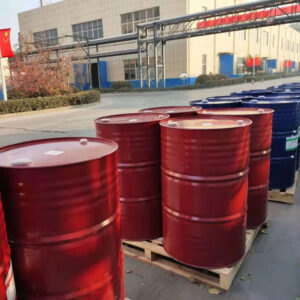
Provide unlimited possibilities for your polyurethane one-stop solution
Polyurethane Spray Coating for Chicken Coops | Poultry House Insulation Foam
Two-component rigid closed-cell polyurethane spray coating for chicken coops and poultry houses. Insulates and waterproofs in one seamless layer; hydroxyl value 310-380 mg KOH/g, viscosity 100-200 mPa.s, specific gravity 1.05-1.08. For coops, livestock barns, greenhouses and farm sheds. Supplied with TDS/MSDS and matched spray equipment.
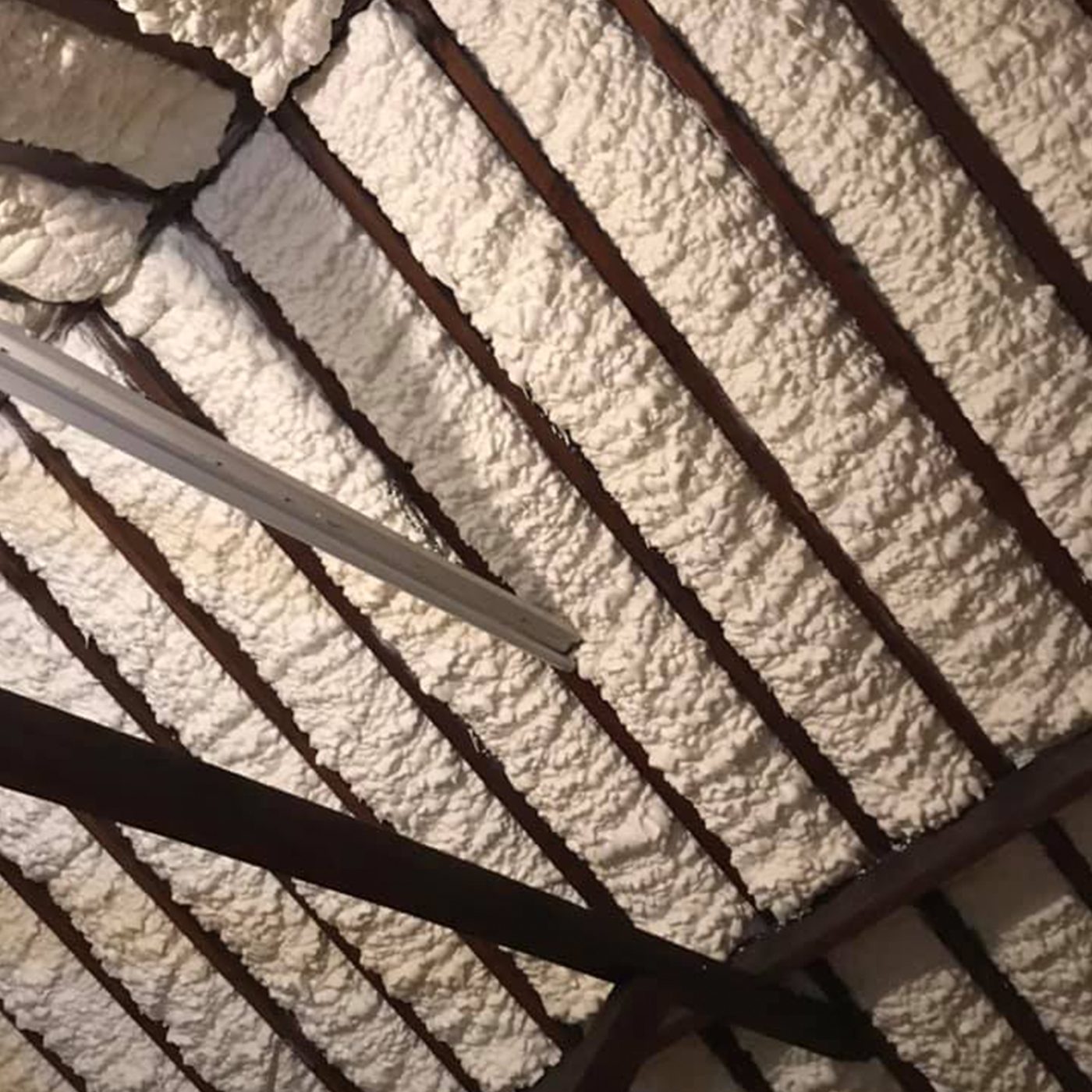
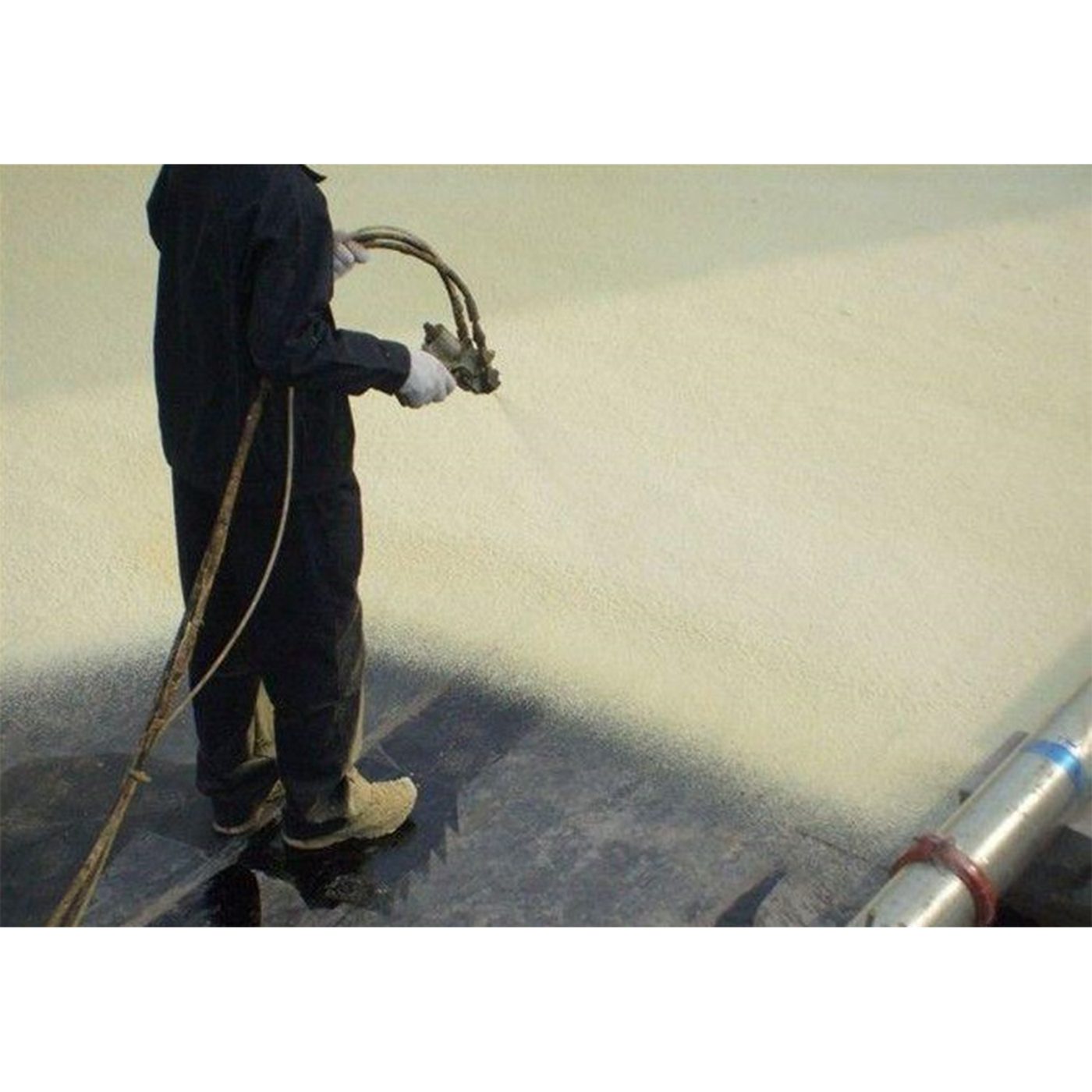
Polyurethane Spray Coating for Chicken Coops & Poultry Houses is a two-component, rigid closed-cell spray foam that forms a seamless, dense insulation and waterproofing layer directly on coop floors, walls and roofs. It holds the optimal temperature and humidity for bird growth, blocks heat loss and cold draughts, stops water seepage and damp, and even lowers noise — a low-cost, durable, easy-to-apply way to keep livestock buildings comfortable year-round.
Closed
cell, water- proofing
310–380
hydroxyl value mg KOH/g
Seamless
conforms to any surface
2-part
polyol + isocyanate
6 mo
storage stability
Key Features
Stable coop temperature Dense closed-cell layer blocks heat loss and cold draughts for ideal bird-growth conditions.
Waterproof & anti-damp Closed cells stop seepage and moisture that cause poultry health problems.
Seamless coverage Sprays onto any surface and conforms to the shape — no joints or gaps.
Lower noise The foam layer dampens sound for a calmer, more comfortable environment.
Durable & wear-resistant Tough, abrasion-resistant surface that lasts for years of farm use.
Low cost, easy to apply Fast on-site spray with standard equipment — an economical insulation choice.
Used for: chicken coops, poultry & broiler houses, pig & livestock barns, greenhouses, farm sheds and storage buildings. For general building insulation see our closed-cell insulation spray foam (SPC-10072).
Technical Specifications
Item
Unit
Index
Appearance (polyol)
—
Light yellow to brown viscous liquid
Hydroxyl value
mg KOH/g
310–380
Viscosity (25 °C)
mPa·s
100–200
Specific gravity (20 °C)
g/ml
1.05–1.08
Storage temperature
°C
10–25
Storage stability
months
6
Two-component, rigid closed-cell spray system. Typical values for reference, not a binding specification.
Why Spray Foam for Poultry Buildings
Better growth & FCR Stable temperature reduces stress and improves feed conversion.
Energy savings Less heating and cooling load across hot and cold seasons.
10+ years in PU raw materials Specialised blended-polyol & spray-foam supplier serving industry worldwide.
Agricultural know-how Foam grades suited to farm and livestock buildings.
Equipment integration Matched spray machines and application support.
Global export & fast reply Export to EU, Latin America, Asia and beyond — reply within 24 hours.
From Sample to Bulk Order
1. Share your project Tell us the building type, area and climate — we recommend a grade.
2. Sample & validate Trial spray with TDS, MSDS and COA for your tests.
3. Scale to bulk Confirm the grade and order in bulk with flexible MOQ and tiered lead times.
Frequently Asked Questions
Is spray foam safe for poultry buildings?Once cured, the rigid closed-cell foam is inert and durable. It is sprayed before the birds are housed and creates a seamless, easy-to-clean insulating surface.
Where can it be sprayed?On floors, walls, ceilings and roofs of chicken coops, broiler & layer houses, pig barns, greenhouses and farm sheds — it conforms to any surface and shape.
Does it also waterproof?Yes — the closed-cell structure resists water seepage and damp while it insulates, in one layer.
Do you supply spray equipment too?Yes — matched spray-foam machines and application support are available. We reply within 24 hours.
Insulate your coop or livestock building?
Get grade selection, full TDS & MSDS, and a sample — with matched spray equipment if needed.
✓ Insulates + waterproofs✓ TDS · MSDS · COA✓ Reply within 24 h
Please complete the form below and our customer support team will be in touch with you shortly. Inquiries submitted through this form will receive priority processing over emails.