
Polyurethane Foam
Innovating Materials for Diverse Applications
Working out how much material to order? Our density & material calculator turns your target density and volume into a ready-to-order kg breakdown.
Polyurethane foam, an exceptional innovation in material science, is a versatile and widely used material in various industries, providing outstanding performance and functionality for diverse applications. In this article, we will explore the different applications of polyurethane foam and the material characteristics tailored to each of these applications.

Building Industry
In the construction industry, polyurethane foam is commonly used as insulation material, such as insulation boards,decorative moldings.

- Excellent Insulation: Polyurethane foam offers outstanding insulation, reducing energy wastage and improving the energy efficiency of buildings.
- Lightweight and High Strength: It is relatively lightweight but possesses high strength, reducing the load on building structures and enhancing stability.


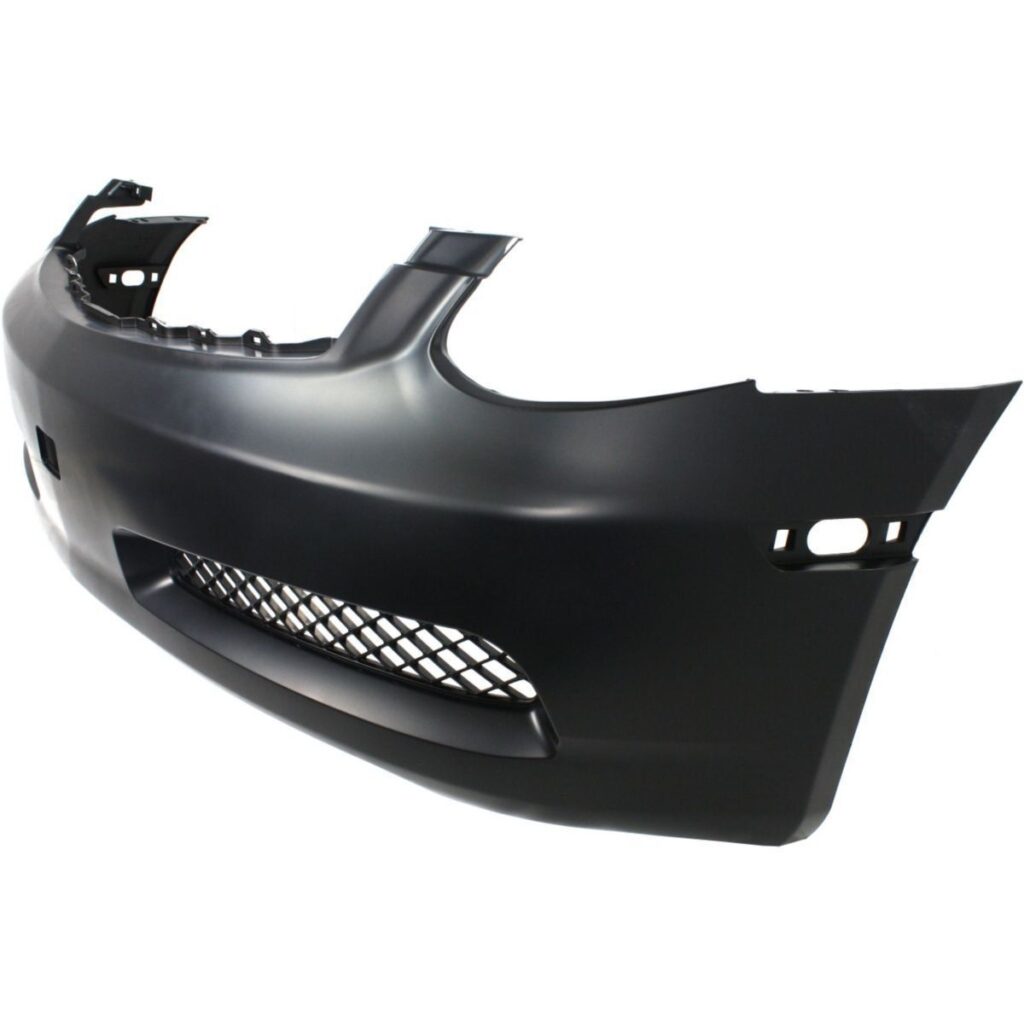

PU Rigid Foam Automotive Sector Material
In the automotive industry, polyurethane foam is used for both interior and exterior components of vehicles. Its key features include:
- Weight Reduction: Polyurethane foam's lightweight nature helps reduce the overall weight of vehicles, improving fuel efficiency.
- Sound Absorption: It effectively reduces noise and vibrations, enhancing driving comfort.
PU Rigid Foam Appliance Material
In the appliance manufacturing sector, polyurethane foam is employed as insulation material, such as in refrigeration equipment and refrigerators. Its main characteristics include:
- Superior Insulation: Polyurethane foam excels in insulation, maintaining low-temperature environments and extending the lifespan of electrical appliances.
- Corrosion Resistance: It demonstrates excellent resistance to certain chemicals, making it an ideal choice for use in special environments.

PU Flexible Foam Packaging Material
In the packaging industry, polyurethane foam is used for packaging materials, such as cushioning and protecting products. Its features include:
- Excellent Cushioning: Polyurethane foam effectively absorbs shocks and vibrations, protecting fragile items during transport and storage.
- Customizability: It can be cut and shaped according to the requirements of product dimensions and shapes, offering customized packaging solutions.


Polyurethane foam is an outstanding material applicable to a wide range of industries. Its different characteristics and performance make it an indispensable material in sectors such as construction, automotive, appliances, packaging, and medical equipment. This journey of innovation is far from over, and polyurethane foam will continue to drive advancements in various fields, offering more functionality and benefits.
More Products


