

Amphoteric surfactants:
· Applicable products: Polyurethane products that require special properties, such as polyurethane gels in personal care products.
· Function: Depending on the acidity and alkalinity of the solution, these surfactants can be anionic or cationic, with good compatibility and mild properties, and are often used in polyurethane products that require special properties.
· Cocamidopropyl betaine (CAPB): This is a common amphoteric surfactant with mild properties and is widely used in personal care products, but its application in the polyurethane industry is relatively rare.
· Function: Depending on the acidity and alkalinity of the solution, these surfactants can be anionic or cationic, with good compatibility and mild properties, and are often used in polyurethane products that require special properties.
· Cocamidopropyl betaine (CAPB): This is a common amphoteric surfactant with mild properties and is widely used in personal care products, but its application in the polyurethane industry is relatively rare.
Polyether surfactants:
· Applicable products: soft polyurethane foam, coatings, adhesives, etc.
· Function:It has good emulsification and dispersibility, helps to form a uniform foam structure, and improves the physical properties of the foam.
· Polyoxyethylene-polyoxypropylene block copolymer (Pluronic series): This type of non-ionic surfactant is composed of ethylene oxide and propylene oxide units, has good emulsification and wetting properties, and is suitable for a variety of polyurethane systems.
· Function:It has good emulsification and dispersibility, helps to form a uniform foam structure, and improves the physical properties of the foam.
· Polyoxyethylene-polyoxypropylene block copolymer (Pluronic series): This type of non-ionic surfactant is composed of ethylene oxide and propylene oxide units, has good emulsification and wetting properties, and is suitable for a variety of polyurethane systems.
Silicone surfactants:
· Applicable products: soft and hard polyurethane foam plastics.
· Function: By reducing surface tension, improving the uniformity and stability of foam, it is widely used in the production of soft and hard polyurethane foam.
· Polydimethylsiloxane (PDMS): This is a linear silicone polymer with excellent surface activity and thermal stability, and is often used to regulate the fineness and stability of foam.
· Function: By reducing surface tension, improving the uniformity and stability of foam, it is widely used in the production of soft and hard polyurethane foam.
· Polydimethylsiloxane (PDMS): This is a linear silicone polymer with excellent surface activity and thermal stability, and is often used to regulate the fineness and stability of foam.
Anionic surfactants:
· Applicable products: Polyurethane systems that need to enhance wettability and dispersibility, such as coatings and adhesives.
· Function: Dissociate negatively charged hydrophilic groups in aqueous solution, commonly used in polyurethane systems that need to enhance wettability and dispersibility.
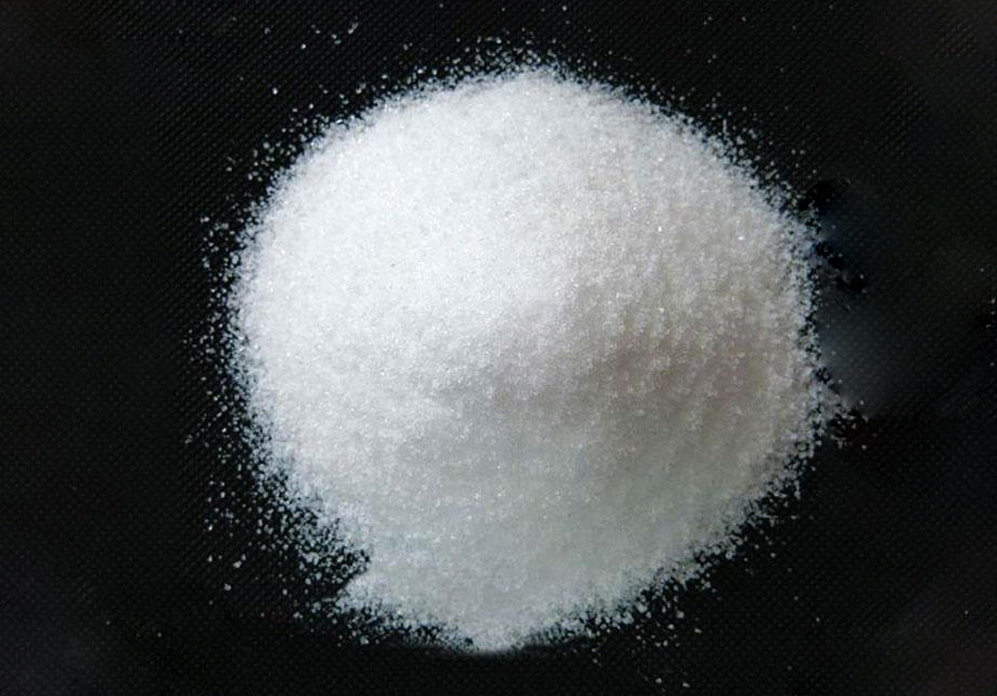
· Sodium dodecyl sulfate (SDS): This is a common anionic surfactant with good detergency and foaming ability, but it is rarely used in polyurethane foam production.
· Function: Dissociate negatively charged hydrophilic groups in aqueous solution, commonly used in polyurethane systems that need to enhance wettability and dispersibility.
· Sodium dodecyl sulfate (SDS): This is a common anionic surfactant with good detergency and foaming ability, but it is rarely used in polyurethane foam production.

Cationic surfactants:
· Applicable products: polyurethane products that require antistatic properties, such as materials for the electronics industry.
· Function: Dissociate positively charged hydrophilic groups in aqueous solution, suitable for specific polyurethane application scenarios, providing antistatic and sterilization functions.
· Cetyltrimethylammonium bromide (CTAB): This cationic surfactant is mainly used in specific industrial applications and has limited application in polyurethane foam production.
· Function: Dissociate positively charged hydrophilic groups in aqueous solution, suitable for specific polyurethane application scenarios, providing antistatic and sterilization functions.
· Cetyltrimethylammonium bromide (CTAB): This cationic surfactant is mainly used in specific industrial applications and has limited application in polyurethane foam production.


