
Isocyanates
Sizing an order? Our PU foam density & material calculator converts your target density and part volume into the A (polyol) and B (isocyanate) quantities you need.
Isocyanates are essential raw materials in polyurethane chemistry, playing a vital role in foams, coatings, adhesives, and elastomers. We provide a comprehensive range of isocyanates including TDI, MDI, Polymeric MDI, Modified MDI, and HDI—each suited for specific industrial applications.
Contact
Types Of Isocyanates

TDI – Toluene Diisocyanate
Features:- High reactivity
- Can be used for foaming at room temperature
- Strong odor, irritating
CAS Number
26471-62-5
Appearance
Light yellow liquid
Boiling point (°C)
~251
Density(g/cm³)
~1.22
Vapor Pressure@25°C
~0.01 mmHg
Application: flexible polyurethane foam, elastomer, artificial leather, adhesive
Safety tips: Strong irritation, closed operation, ventilation and protection are required
MDI – Methylene Diphenyl Diisocyanate
Features:
- Toxicity is lower than TDI
- Produces closed cell structure after reaction with polyol
- Good stability, widely used in industrial fields
CAS Number
101-68-8
Appearance
Light yellow solid or liquid
Boiling point (°C)
~314
Density(g/cm³)
~1.23
Vapor Pressure@25°C
Very low
Application: rigid foam, structural foam, cold storage insulation board, refrigerator insulation layer


Polymeric MDI (pMDI)
Features:
- High viscosity, good stability at room temperature
- Mostly used in continuous foaming process (such as cold storage board, building insulation board)
- More suitable for large-scale industrial application than pure MDI
CAS Number
9016-87-9
Appearance
Dark brown liquid
Boiling point (°C)
>300 (not a single substance)
Density(g/cm³)
~1.23
Vapor Pressure@25°C
Lower
Application: Polyurethane rigid foam board, spray foam, composite board, etc.
Pure MDI(Monomeric MDI)
Features:
- Content ≥99%, highly reactive
- Commonly used to formulate high-performance PU elastomers and adhesives
- Suitable for applications with high requirements for performance stability
CAS Number
101-68-8
Appearance
Light yellow solid or liquid
Boiling point (°C)
~314
Density(g/cm³)
~1.23
Vapor Pressure@25°C
Very low
Application: Suitable for elastomers, synthetic leather, medical materials and polyurethane fibers with extremely high performance requirements.


Modified MDI
Features:
- Introducing prepolymer or trimer structure based on pure MDI
- More moderate viscosity, improved fluidity, easy processing
- Suitable for RIM process, high-speed foaming, continuous sheet production line
CAS Number
-
Appearance
Brown liquid
Boiling point (°C)
Similar to MDI
Density(g/cm³)
Depends on modification
Vapor Pressure@25°C
Low
Application: Used to improve molding efficiency, impact resistance, environmentally friendly fluorine-free process, etc.
HDI – Hexamethylene Diisocyanate
Features:
- Excellent weather resistance
- UV stable, not easy to yellow
- Commonly used in high-end coating systems (automobiles, industrial anti-corrosion, floor paint)
CAS Number
822-06-0
Appearance
Colorless transparent liquid
Boiling point (°C)
~255
Density(g/cm³)
~1.05
Vapor Pressure@25°C
~0.05 mmHg
Application: Two-component PU coatings, moisture-curing adhesives, sealants

Parameter comparison Of Isocyanates
Characteristics
TDI
MDI
HDI
Structural type
Aromatic
Aromatic
Aliphatic
Toxicity
High
Lower
Very low
Activity
Very High
High
Moderate
Common forms
Liquid
Solid/Liquid
Liquid
Main uses
Flexible Foam
Rigid Foam
Coating system
UV stability
Poor
Poor
Excellent
We Offer One-stop Solution
We are committed to providing customers with one-stop solutions for raw materials and equipment, covering a full range of services from raw material procurement to equipment supply, helping enterprises to operate efficiently and reduce costs.
Contact
Application Of Isocyanates
Isocyanates such as TDI, MDI, and HDI play a crucial role in polyurethane materials and are widely used across various industries:

Furniture and Bedding
Polyurethane flexible foam made from isocyanates and polyols is extensively used in mattresses, sofas, cushions, and pillows, offering high elasticity, excellent resilience, and superior comfort. TDI and polymeric MDI are the most commonly used raw materials.
Automotive Industry
TDI and MDI are widely applied in automotive seats, headrests, steering wheels, dashboards, seals, and sound insulation foams. Polyurethane materials enhance driving comfort, fuel efficiency, and crash safety while providing lightweight solutions.

Construction and Insulation
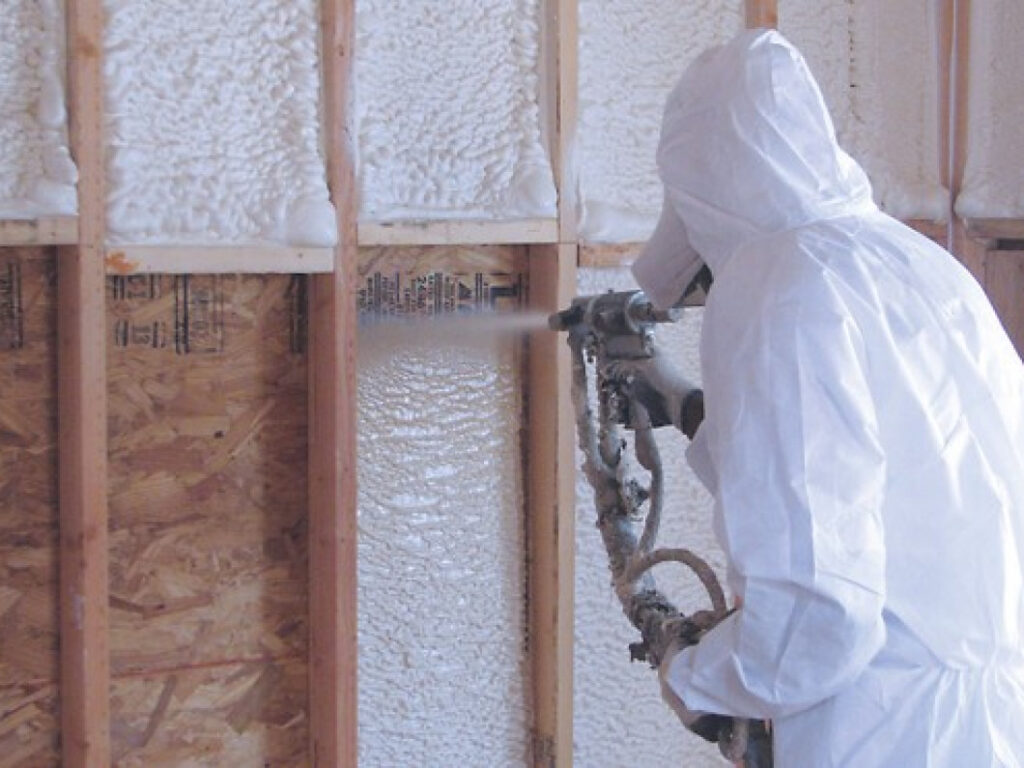
MDI-based isocyanates, especially polymeric MDI, are used to produce rigid polyurethane foam for cold storage panels, roof insulation, wall spraying, and pipe insulation, offering excellent thermal insulation and fire resistance.
Footwear
Isocyanates are used to manufacture flexible polyurethane soles and insoles for safety shoes, sports shoes, casual shoes, and medical footwear. Modified MDI combined with TDI provides enhanced abrasion resistance and rebound performance.


Coatings & Sealants
HDI and its prepolymers are widely used in high-performance coatings, industrial floor paints, plastic coatings, wood coatings, and automotive paints due to their excellent weather resistance, corrosion resistance, and mechanical strength. They are also common in reactive hot-melt and solvent-based adhesive formulations.
Packaging and Specialty Materials
Used for cushioning packaging, transportation protection, specialty seals, and 3D printing materials. Formulations can be tailored to create lightweight, soft, and high-strength foam materials.

tdi
Why Choose Our Isocyanates
- Consistent NCO value & purity
- Stable supply chain with flexible packaging (IBC, drums)
- Compliant with REACH & RoHS
- Competitive pricing & prompt delivery
- Technical support & formulation guidance
cONTACT
Pure MDI

Technical & Safety Section
- Storage Conditions: Keep in cool, dry, and ventilated areas. Avoid moisture.
- Shelf Life: 6–12 months (depending on product).
- Handling: Use PPE, avoid inhalation & skin contact.
- Documentation: [Download TDS] [Download MSDS]
Buy Now
Customer Reviews Of Isocyanates
Reliable quality and excellent customer service. Their MDI helped us improve foam consistency.
Stable performance, on-time delivery, and detailed TDS support.


