
PU Elastomer Raw Material
For Automotive PU Parts
High-performance polyurethane elastomer systems for automotive bushings, jounce bumpers, suspension components, sealing parts, and interior trim. Engineered for IATF 16949 traceability, OE-grade fatigue life, and temperature stability across automotive service envelopes.
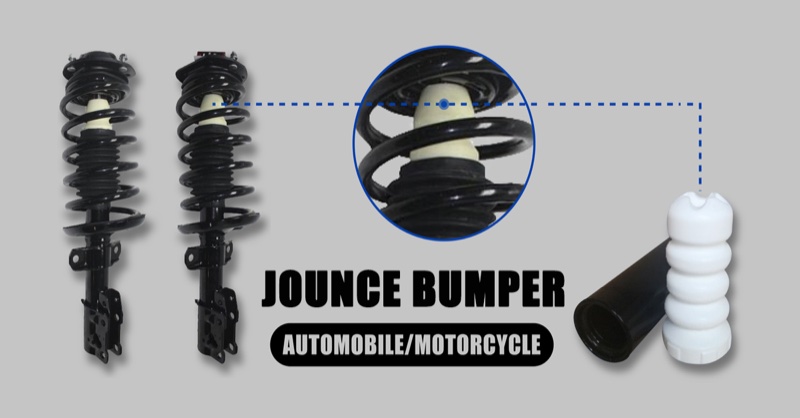
PU Elastomer Materials for Automotive OE & Aftermarket
Blendpolyol supplies polyurethane elastomer raw material systems for manufacturing automotive suspension bushings, jounce bumpers, steering rack mounts, drivetrain isolators, interior trim components, and exterior sealing parts used in passenger vehicles, commercial trucks, and off-highway equipment.
Our formulations deliver:
- IATF 16949 production lot traceability (full COA + batch records)
- Service temperature −40°C to +120°C
- Fatigue life ≥ 10⁷ cycles for suspension applications
- Low compression set (< 15% at 100°C / 70 h per ASTM D395)
- OEM-compliant material specifications (specific OE specs on request)
Typical Applications
Suspension Bushings
Lower control arm + sway bar bushings with tuned damping characteristics.
Jounce Bumpers
Microcellular PU jounce bumpers for suspension travel limit cushioning.
Steering Rack Mounts
Vibration-isolating rack-and-pinion steering mounts.
Drivetrain Isolators
Engine mounts + transmission mounts for NVH control.
Interior Trim & Soft Touch
Cast PU components for premium interior surfaces.
Body Mount Bushings
Body-on-frame vehicle body mounts for SUVs + light trucks.
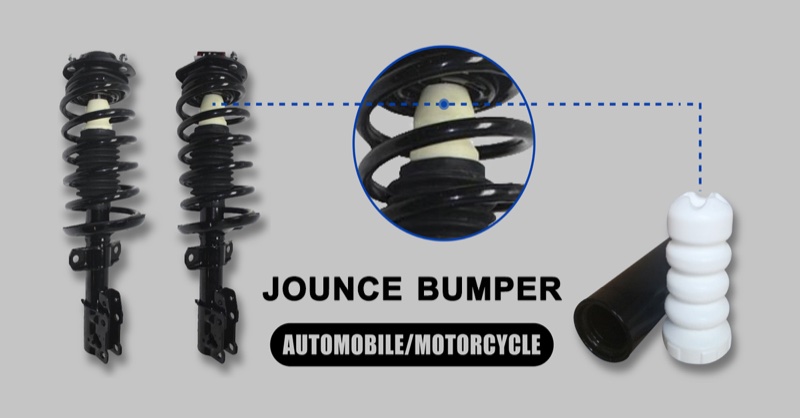
Vehicle impact bumper — energy absorption
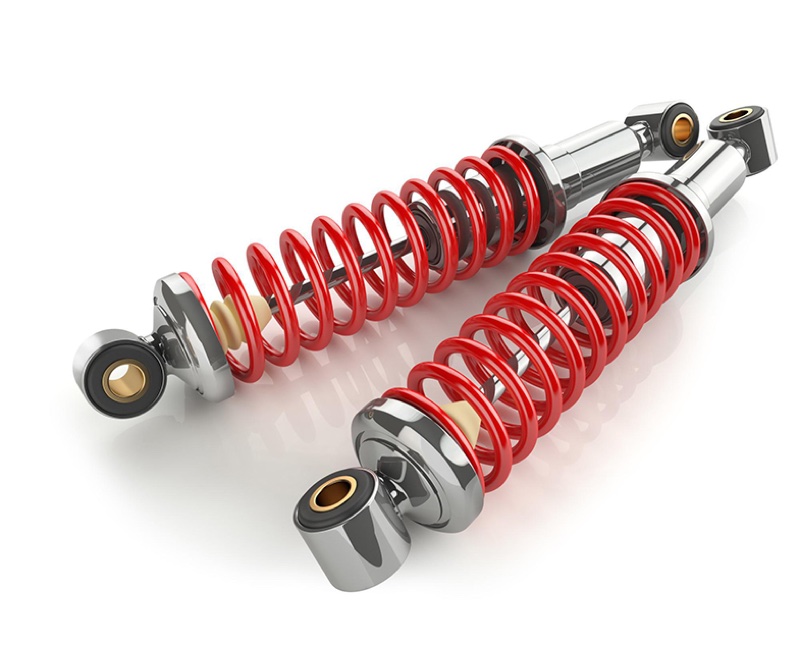
Drivetrain isolator — NVH control, 10⁷ fatigue cycles
Typical Technical Parameters
Actual parameters customizable according to formulation design and application requirements.
Compatible Production Processes
Vacuum Casting
For precision parts requiring void-free casting.
Open Mold Casting
Suitable for large parts and simple geometries.
Centrifugal Casting
Used for cylindrical components requiring uniform density.
Automated Casting
Compatible with PU casting machines and automated dispensing.
One-Stop PU Elastomer Solution
Besides polyurethane raw materials, Blendpolyol also provides matched equipment and tooling — making us a complete production-line partner, not just a chemical supplier.
- PU elastomer casting machines (manual, semi-auto, fully-automatic)
- Metering and mixing systems (low-pressure & high-pressure)
- PU molds (steel / aluminum, custom design)
- Heating systems (drum heaters, mold heaters, oven systems)
- Complete production line solutions with engineering support
We support customers from raw material selection → equipment matching → process optimization → mass production.
Frequently Asked Questions
Do you have IATF 16949 certification?
Yes. Our automotive-grade production runs under IATF 16949 quality system with full lot traceability, PPAP documentation, and capability indices (Cpk ≥ 1.33) on key formulation parameters. Documentation packs provided per OE customer requirements.
What OE specifications can you match?
We supply against major OE material specifications including BMW, VW, Toyota, GM, and Ford polyurethane elastomer specs (specific OE specifications under NDA). Share your OE spec sheet and we confirm formulation match + provide compliance test data.
What is your MOQ for automotive programs?
5,000 kg first commercial PO for automotive programs — reflects the documentation overhead. Pilot 100–500 kg available for PPAP-stage qualification.
What hardness range can you provide?
We provide formulations from soft elastomer systems (Shore A 60–70) to ultra-hard industrial materials (Shore D 70–75). Specific hardness is tuned via prepolymer NCO content + chain extender ratio.
MDI vs TDI systems — which is right for me?
MDI systems provide higher load-bearing performance and lower toxicity (no free TDI vapor) — preferred for indoor casting. TDI systems offer better elasticity, rebound, and abrasion resistance — preferred for dynamic-load and high-wear applications.
Can you customize formulations?
Yes. We customize hardness, rebound, abrasion resistance, chemistry resistance, and processing characteristics. Custom formulation MOQ is typically 1,000 kg; development cycle 3–5 weeks including bench testing and customer-site trial.
Do you provide complete production solutions?
Yes. We supply raw materials, casting machines, mixing systems, custom molds, heating systems, and production line engineering support. End-to-end onboarding from formulation selection to mass production typically takes 3–4 months.
Talk to Our Elastomer Team
Reply within 24 hours · TDS · MSDS · COA · Free 1 kg sample · 60+ countries served